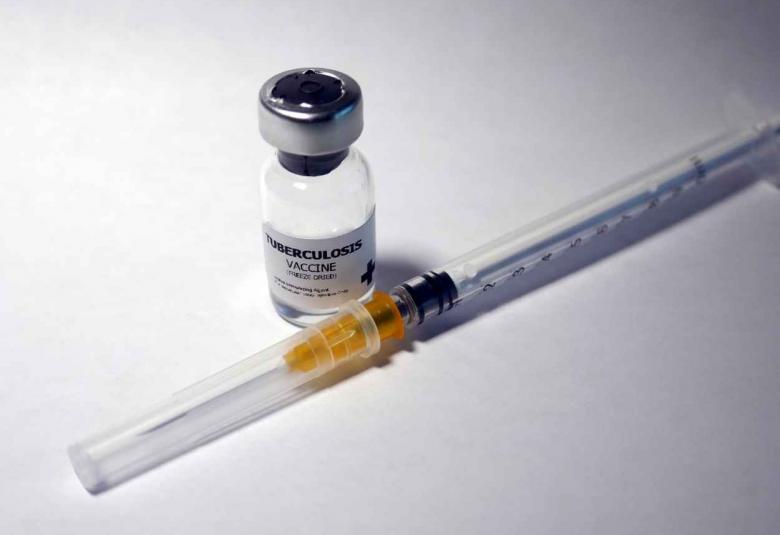
Innovators at Purdue University and Houston Methodist Research Institute have created a novel strategy for developing an effective vaccine for a widespread form of tuberculosis.

Zydus Cadila announced that the company has received the Emergency Use Authorization from the Drug Controller General of India (DCGI) for ZyCoV-D the worlds first Plasmid DNA Vaccine for COVID-19. ZyCoV-D is a three dose vaccine which will be administered first on day zero, day 28th and then on the 56th day. With this approval, India now has its first COVID-19 vaccine for the adolescents in the 12-18 age group, besides the adult population.
Research from APC Microbiome Ireland (APC) SFI Research Centre at University College Cork (UCC) published today in the leading international scientific journal Nature Aging introduces a novel approach to reverse aspects of aging-related deterioration in the brain and cognitive function via the microbes in the gut.
New Edith Cowan University (ECU) research has found that people who eat a diet rich in vitamin K have up to a 34 percent lower risk of atherosclerosis-related cardiovascular disease (conditions affecting the heart or blood vessels).
The coronavirus that causes COVID-19 has demonstrated a stubborn ability to resist most nucleoside antiviral treatments, but a new study led by an Iowa State University scientist could help to overcome the virus’s defenses.
The average American eats roughly 22 teaspoons of added sugar a day — more than three times the recommended amount for women and more than double the recommended amount for men. Although this overconsumption is known to contribute to Type 2 diabetes and other disorders, the exact ways in which eating too much sugar sets the stage for metabolic diseases on a cellular level has been less clear.
Colon cancer is one of the most common types of cancer – both in India and worldwide. According to the Indian Council of Medical Research (ICMR), it is the third most common cancer in men (6, 63,000 cases in 2014, 10.0% of all cancer cases) and the second most common in women (5, 71,000 cases in 2014, 9.4% of all cancer cases).
Researchers at Wake Forest School of Medicine have shown that a targeted therapy using non-thermal radio waves is safe to use in the treatment of hepatocellular carcinoma (HCC), the most common type of liver cancer. The therapy also showed a benefit in overall survival.
Scientists from the USC Stem Cell laboratory of Neil Segil have identified a natural barrier to the regeneration of the inner ear’s sensory cells, which are lost in hearing and balance disorders. Overcoming this barrier may be a first step in returning inner ear cells to a newborn-like state that’s primed for regeneration, as described in a new study published in Developmental Cell.
A protein that helps regulate calcium signaling within heart cells could play a key role in preventing chronic heart failure, according to an international study led by University of Utah Health scientists. The researchers say disruption in the signaling pathway for this protein, VDAC2, causes severe impairment of heart cell contraction, making it harder for the heart to deliver blood to the body. The finding suggests that drugs and other therapeutic treatments targeting VDAC2 could eventually help alleviate heart failure.