

Research News

  • High Availability of Fast-Food Outlets Across All U.S. Neighborhood Types Linked to Increased Type 2 Diabetes

    An increasing number of studies suggest a link between a neighborhoods built environment and the likelihood that its residents will develop chronic diseases such as heart disease, type 2 diabetes (T2D), and certain types of cancers. A new nationwide study led by researchers from NYU Grossman School of Medicine published online October 29 in JAMA Network Open suggests that living in neighborhoods with higher availability of fast-food outlets across all regions of the United States is associated with higher subsequent risk of developing T2D.
  • Neuroscientists roll out first comprehensive atlas of brain cells
    Neuroscientists roll out first comprehensive atlas of brain cells

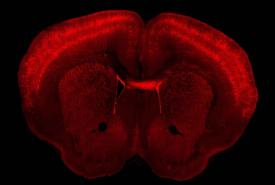
    When you clicked to read this story, a band of cells across the top of your brain sent signals down your spine and out to your hand to tell the muscles in your index finger to press down with just the right amount of pressure to activate your mouse or track pad.

    A slew of new studies now shows that the area of the brain responsible for initiating this action — the primary motor cortex, which controls movement — has as many as 116 different types of cells that work together to make this happen.

  • Researchers Identify How Two People Controlled HIV After Stopping Treatment
    Researchers Identify How Two People Controlled HIV After Stopping Treatment

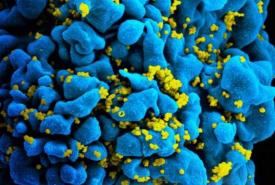
    Research led by scientists at the National Institutes of Health has identified two distinct ways that people with HIV can control the virus for an extended period after stopping antiretroviral therapy (ART) under medical supervision. This information could inform efforts to develop new tools to help people with HIV put the virus into remission without taking lifelong medication, which can have long-term side-effects.

  • Systemic lupus erythematosus linked to altered gut microbiome
    Systemic lupus erythematosus linked to altered gut microbiome

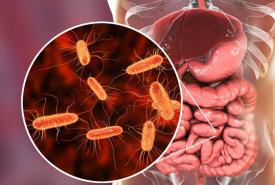
    Systemic lupus erythematosis (SLE) is an autoimmune disease in which the immune system targets tissues of the body, causing widespread inflammation and affecting multiple organs such as the kidney and the brain. The gut microbiome all the micro-organisms that live in the human gut is known to be altered in SLE patients. Now, a research team at Osaka University has comprehensively profiled the associations between the gut microbiome and SLE.

  • Two vaccine doses boost antibody levels in the airways after COVID-19
    Two vaccine doses boost antibody levels in the airways after COVID-19

    Antibodies in the airways quickly wane after SARS-CoV-2 infection, but vaccination results in a strong increase in antibody levels, especially after two doses, according to a new study from Karolinska Institutet in Sweden published in the journal JCI Insight. The results suggest that having a second dose of vaccine also after recovering from COVID-19 may be important for protecting against re-infection and to prevent transmission.

  • Novel formulation for cost-effective and thermo-stable Insulin
    Novel formulation for cost-effective and thermo-stable Insulin

    Availability of injectable insulin formulation has been a major breakthrough in diabetes management. However, insulin needs to be kept in a refrigerator, which, otherwise after some hours becomes unfit for use due to fibrillation (some kind of ‘solidification’). Its prolonged storage even in normal refrigerator is also not good. Therefore, its thermal instability and fibrillation at non-refrigerated temperatures demands storage and maintenance of cold chain, making it expensive.

  • Cancer chemotherapy drug reverses Alzheimer symptoms in mice
    Cancer chemotherapy drug reverses Alzheimer symptoms in mice

    A drug commonly used to treat cancer can restore memory and cognitive function in mice that display symptoms of Alzheimer’s disease, new UBC research has found.

  • DBT Institute to help Vietnamese company develop COVID vaccine
    DBT Institute to help Vietnamese company develop COVID vaccine

     After helping several Indian companies in the development of vaccines for COVID-19 including clinical trials, the Department of Biotechnology (DBT)’s Translational Health Science and Technology Institute (THSTI) has entered into a research collaboration with Nanogen Pharmaceutical Biotechnology JSC, a Vietnamese pharmaceutical company which is in the process of developing a vaccine for the disease.

  • Gut bacteria influence brain development
    Gut bacteria influence brain development

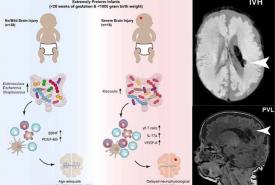
    Extremely premature infants are at a high risk for brain damage. Researchers at the University of Vienna and the Medical University of Vienna have now found possible targets for the early treatment of such damage outside the brain: Bacteria in the gut of premature infants may play a key role. The research team found that the overgrowth of the gastrointestinal tract with the bacterium Klebsiella is associated with an increased presence of certain immune cells and the development of neurological damage in premature babies.

  • COVID-19 has caused the biggest decrease in life expectancy since World War II
    COVID-19 has caused the biggest decrease in life expectancy since World War II

    The research team assembled an unprecedented dataset on mortality from 29 countries, spanning most of Europe, the US and Chile – countries for which official death registrations for 2020 had been published. They found that 27 of the 29 countries saw reductions in life expectancy in 2020, and at a scale which wiped out years of progress on mortality, according to the paper published today in the International Journal of Epidemiology.

Subscribe to Research News