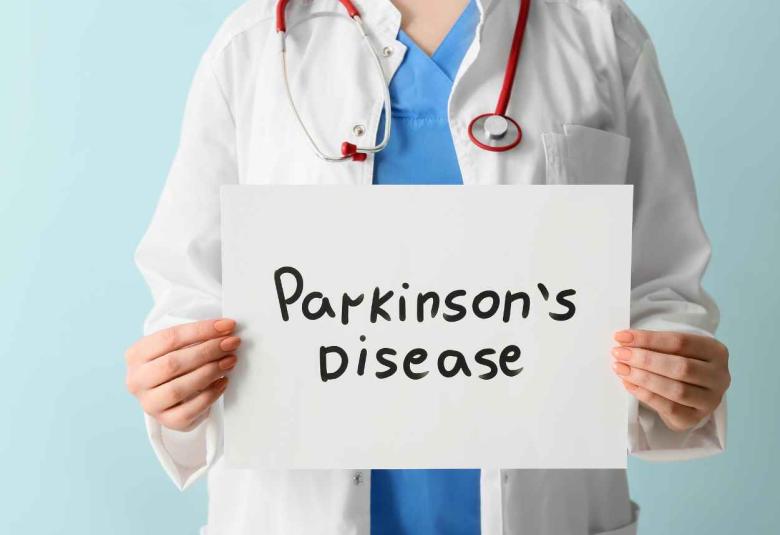
Researchers have used computational models to understand what drives the accumulation of alpha-synuclein protein, a key culprit in the development of Parkinson’s disease.

A novel treatment for leukemias and lymphomas that arise from immune system T cells, developed by investigators at the Johns Hopkins Kimmel Cancer Center and its Ludwig Center and Lustgarten Laboratory, was found to be effective at killing these cancers in mice bearing human T-cell tumors.
A new approach to analysing exome sequencing data reliably detects large-scale genetic changes and could reduce the number of genetic tests a child might need. A single genetic test could potentially replace the current two-step approach to diagnosing rare developmental disorders in children. This shift could enable earlier diagnoses for families and save the NHS vital resources.
Researchers from Rutgers Health believe they are among the leaders in a race to find an oral COVID-19 treatment to supplement or replace Paxlovid – an antiviral medication that helps keep high-risk patients out of the hospital.
Their report, published in Science, shows that an alternative medication, a viral papain-like protease inhibitor, inhibits disease progression in animals, a necessary step before human drug trials.
UVA Health researchers have discovered a potential explanation for some of the most perplexing mysteries of COVID-19 and long COVID. The surprising findings could lead to new treatments for the difficult acute effects of COVID-19, long COVID and possibly other viruses.
Researchers at Leipzig University and Ulm University have developed a new method to isolate HIV from samples more easily, potentially making it easier to detect infection with the virus. They focus on peptide nanofibrils (PNFs) on magnetic microparticles, a promising tool and hybrid material for targeted binding and separation of viral particles. They have published their new findings in the journal Advanced Functional Materials.
Cedars-Sinai Investigators Find Popular Weight Loss Drugs Are Associated With Increased Risk of Aspiration Pneumonia Following Endoscopy.
New research from Cedars-Sinai suggests people who are scheduled for certain medical procedures should stop taking popular weight loss drugs in the days or weeks prior to avoid complications.
SARS-CoV-2, the virus that causes COVID-19, can damage the heart even without directly infecting the heart tissue, a National Institutes of Health-supported study has found. The research, published in the journal Circulation, specifically looked at damage to the hearts of people with SARS-CoV2-associated acute respiratory distress syndrome (ARDS), a serious lung condition that can be fatal. But researchers said the findings could have relevance to organs beyond the heart and also to viruses other than SARS-CoV-2.
The emergence of drug-resistant bacteria is a global threat to human health, and the development of new antibiotics from scratch is an extremely expensive and time-consuming process. To address this urgent issue, researchers from Kent’s School of Biosciences have combined computational and microbiology laboratory approaches to identify existing drugs that can be repurposed to combat antibiotic-resistant bacterial infections.