To stop the spread of disease, it could be used to coat phone screens and keyboards, as well as the inside of catheters and breathing tubes, which are a major source of healthcare-associated infections (HCAIs).

To stop the spread of disease, it could be used to coat phone screens and keyboards, as well as the inside of catheters and breathing tubes, which are a major source of healthcare-associated infections (HCAIs).
Damo Academy, a research institute of Alibaba has developed a new, Artificial Intelligence (AI) driven diagnosis system that can detect COVID-19 infections with an accuracy of up to 96% reported by Sina Tech News. AI driven tool also uses computerized tomography (CT) scans of patients to form a diagnostic, but it is faster and more reliable than human doctors at diagnosis.

The fight against Malaria could get easier with a joint team of scientists from Department of Biotechnology’s Bhubaneswar-based Institute of Life Sciences (ILS) and Bengaluru-based Jigsaw Bio Solutions, coming up with a method that promises to overcome the problem of inadequate identification of asymptomatic carriers of the disease.
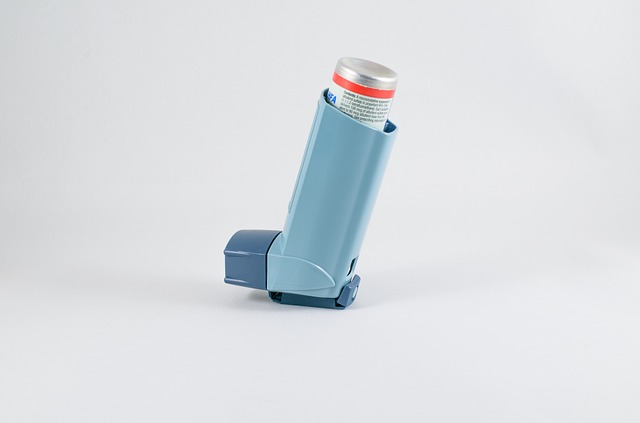
Researchers from Trinity College Dublin have made a breakthrough that may eventually lead to improved therapeutic options for people living with asthma. The researchers have uncovered a critical role for a protein (Caspase-11), which had previously never been implicated in the disease.
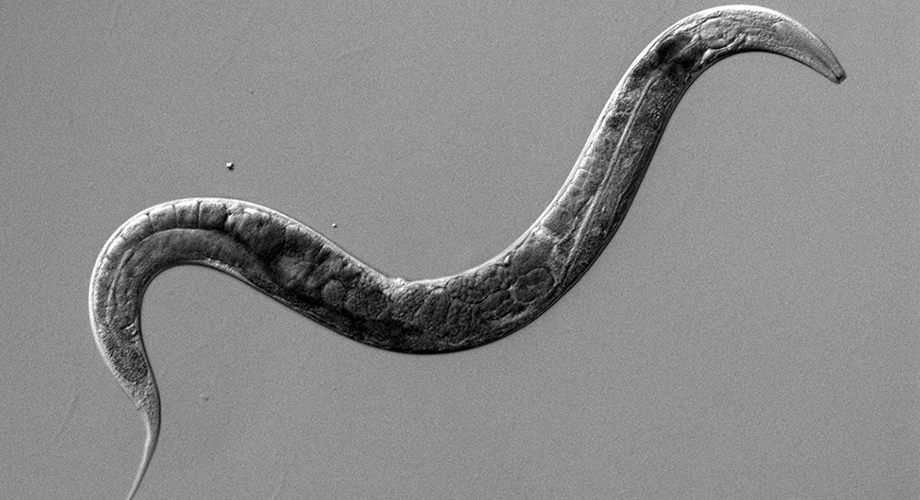
The nematode roundworm c. elegans. / Gill lab
In a discovery that may further the understanding of diabetes and human longevity, scientists at Scripps Research have found a new biological mechanism of insulin signaling. Their study, involving the roundworm C. elegans, reveals that a “decoy” receptor is at work in binding to insulin molecules and keeping them from sending signals for increased insulin production.
Using a machine-learning algorithm, MIT researchers have identified a powerful new antibiotic compound. In laboratory tests, the drug killed many of the world’s most problematic disease-causing bacteria, including some strains that are resistant to all known antibiotics. It also cleared infections in two different mouse models.

Researchers at the National Institutes of Health found evidence that specific immune cells may play a key role in the devastating effects of cerebral malaria, a severe form of malaria that mainly affects young children. The results, published in the Journal of Clinical Investigation, suggest that drugs targeting T cells may be effective in treating the disease. The study was supported by the NIH Intramural Research Program.
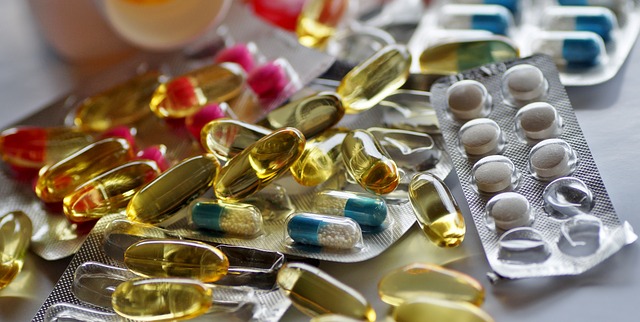
Favipiravir has shown potential in treating the novel coronavirus COVID-19. Drug Regulatory Body in China announced that they have approved clinical trials of the antiviral favilavir for use in the treatment of the novel coronavirus COVID-19, reported by UPI.
Leading health experts from around the world have been meeting at the World Health Organization’s Geneva headquarters to assess the current level of knowledge about the new COVID-19 disease, identify gaps and work together to accelerate and fund priority research needed to help stop this outbreak and prepare for any future outbreaks.

Here glioblastoma cells from a human brain are growing. Addition of the Ebola-VSV oncolytic virus results in tumor infection and cell death, seen here as black cells. Over time the infection spreads to other glioblastoma cells.
Glioblastomas are relentless, hard-to-treat, and often lethal brain tumors. Yale scientists have enlisted a most unlikely ally in efforts to treat this form of cancer — elements of the Ebola virus.
CLICK HERE TO SUBSCRIBE,
PHARMATUTOR's DAILY EMAILS
Do Not Forget to Verify
(Click on Subscription link in your inbox)
--------