Research News

  • Moderna, Inc., a clinical stage biotechnology company pioneering messenger RNA (mRNA) therapeutics and vaccines to create a new generation of transformative medicines for patients, announced positive interim clinical data of mRNA-1273, its vaccine candidate against novel coronavirus (SARS-CoV-2), from the Phase 1 study led by the National Institute of Allergy and Infectious Diseases (NIAID), part of the National Institutes of Health (NIH).

  • Heart attacks, heart failure, stroke: COVID-19's dangerous cardiovascular complications
    Heart attacks, heart failure, stroke: COVID-19's dangerous cardiovascular complications

    COVID-19 can cause serious cardiovascular complications including heart failure, heart attacks and blood clots that can lead to strokes, emergency medicine doctors report in a new scientific paper. They also caution that COVID-19 treatments can interact with medicines used to manage patients' existing cardiovascular conditions.

  • Antiviral drug can speed up recovery of COVID-19 patient : Research
    Antiviral drug can speed up recovery of COVID-19 patient : Research

    An international team of researchers led by Dr. Eleanor Fish, emerita scientist at the Toronto General Hospital Research Institute, University Health Network, and professor in the University of Toronto's Department of Immunology, has shown for the first time that an antiviral drug can help speed up the recovery of COVID-19 patients.

  • The Council of Scientific and Industrial Research (CSIR), through its New Millennium Indian Technology Leadership Initiative (NMITLI) program, has approved a project towards development of human monoclonal antibodies (hmAbs) that can neutralize SARS-CoV-2 in patients. This project on generation of neutralizing human monoclonal antibodies as a therapeutic strategy will be implemented by a multi-institutional and multi-disciplinary team.

    Monoclonal antibody therapy is a form of immunotherapy designed to produce immunity to a disease or to enhance resistance by the immune system. This new project aims to generate hmAbs to SARS-CoV-2 from gradual recovery phase of COVID-19 patients and select high affinity and neutralizing antibodies. The project also aims to anticipate future adaptation of the virus and generate hmAbs clones that can neutralize the mutated virus so that could be readily used for combating future SARS-CoV infections.

    This new project aims to generate hmAbs to SARS-CoV-2 from gradual recovery phase of COVID-19 patients and select high affinity and neutralizing antibodies.

    This industry-academia collaboration comprises National Centre for Cell Science (NCCS) Pune; Indian Institute of Technology (IIT), Indore; PredOmix Technologies Ltd, Gurugram; and Bharat Biotech International Ltd (BBIL), Hyderabad. Vaccines and biotherapeutics maker BBIL is leading the project to develop human monoclonal antibodies (hmAbs) for COVID-19 infection. BBIL will be the commercial partner and responsible for subsequent development and commercialization of the hmAbs generated.

    DG-CSIR, Dr Shekhar C Mande commented that “As the research into SARS-CoV-2 is in early days and our understanding is evolving each day, it is critical that we deploy all possible strategies to combat the virus. Hence, CSIR is exploring all avenues and we are supporting new ideas which have clear deployment strategy”.

    CSIR is leading the fight against COVID-19 using multi-pronged approach and multiple models of engagement. CSIR labs themselves are developing technologies and products and are working with industry and public sector undertakings for deployment. NMITLI is a flagship program of CSIR aimed to support new ideas and projects from academic institutions and industries.


    - India Science Wire

    << Back to Pharma News

    Subscribe to PharmaTutor News Alerts by Email

  • A two-week course of antiviral therapy with interferon beta-1b plus lopinavir-ritonavir and ribavirin, started within 7 days of showing COVID-19 symptoms, is safe and more effective at reducing the duration of viral shedding than lopinavir-ritonavir alone in patients with mild to moderate illness, according to the first randomised trial of this triple combination therapy involving 127 adults (aged 18 and older) from six public hospitals in Hong Kong.

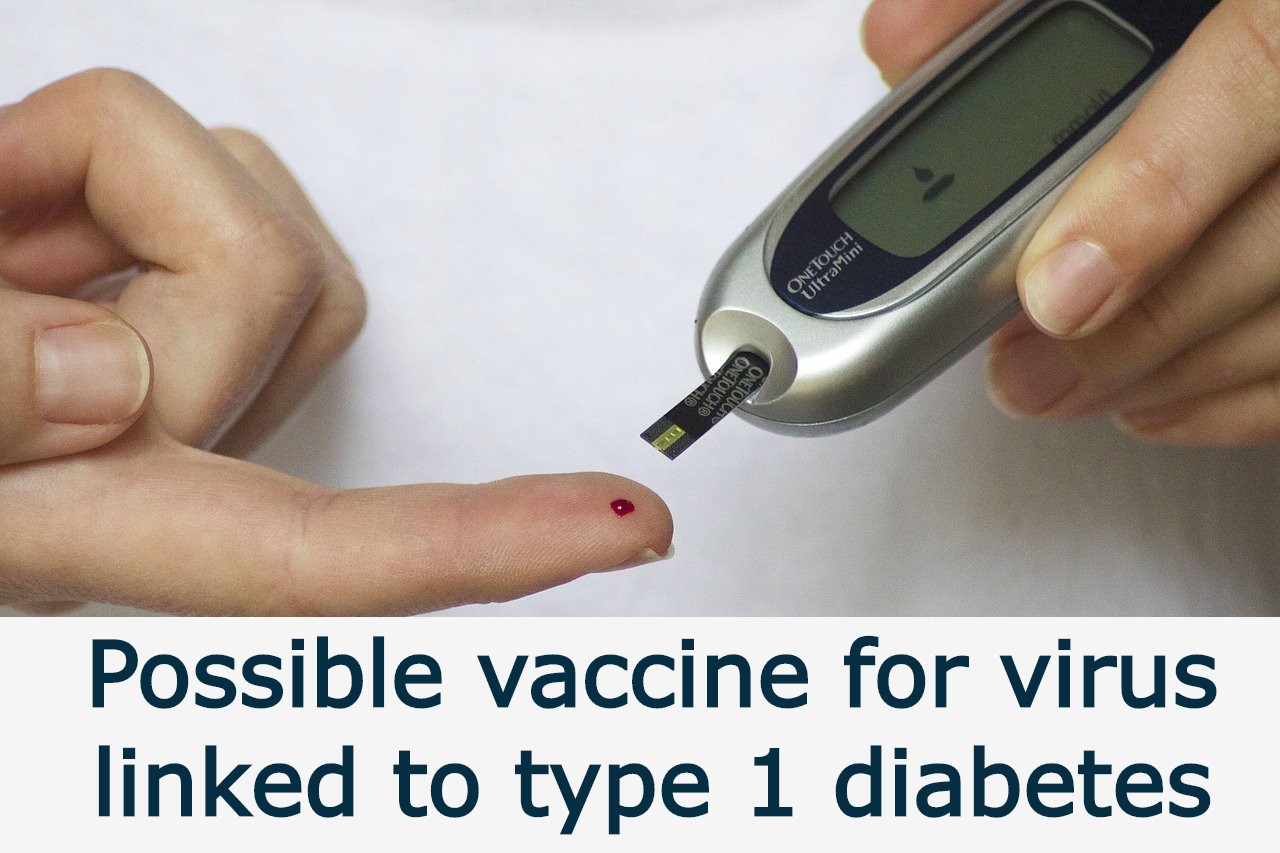
  • According to many observations, certain virus infections may play a part in the autoimmune attack that leads to type 1 diabetes. Researchers at Karolinska Institutet in Sweden and their Finnish colleagues have now produced a vaccine for these viruses in the hope that it could provide protection against the disease. The study is published today in the scientific journal Science Advances.

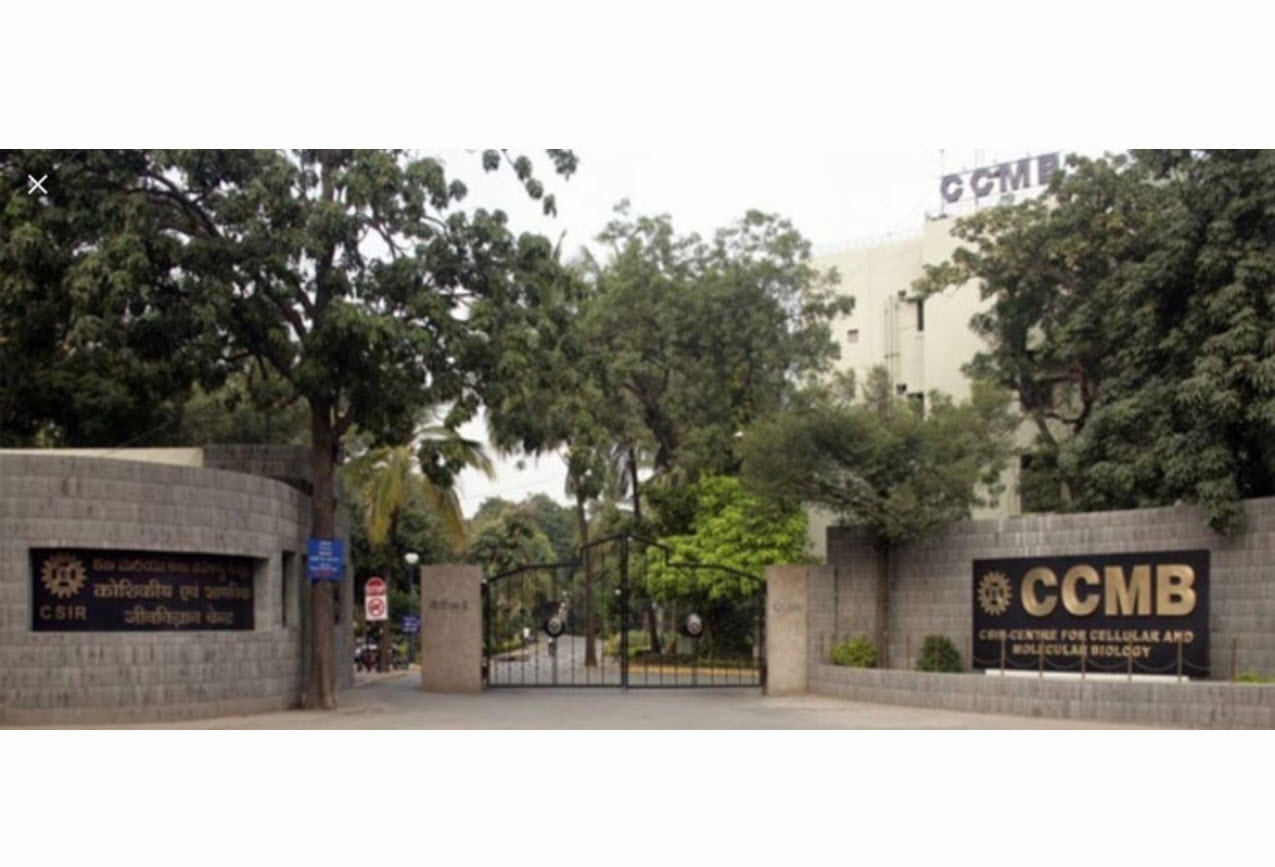
  • Centre for Cellular and Molecular Biology (CCMB), Hyderabad has tied up with a Bengaluru-based company, Eyestem Research Private Limited, to take up research activities on COVID-19. Through this research collaboration, an attempt will be made to grow novel coronavirus in human cell lines, which will enable in vitro testing of potential drugs and vaccines against the COVID-19.

  • Necrotizing enterocolitis (NEC), a rare inflammatory bowel disease, primarily affects premature infants and is a leading cause of death in the smallest and sickest of these patients. The exact cause remains unclear, and there is no effective treatment. No test can definitively diagnose the devastating condition early, so infants with suspected NEC are carefully monitored and administered supportive care, such as IV fluids and nutrition, and antibiotics to fight infection caused by bacteria invading the gut wall. Surgery must be done to excise damaged intestinal tissue if the condition worsens.

  • Korean researchers have screened 48 FDA-approved drugs against SARS-CoV-2, and found that two, that are already FDA-approved for other illnesses, seem promising. The FDA approval for other uses would greatly reduce the time needed to gain FDA approval of use in COVID-19. The research is published in Antimicrobial Agents and Chemotherapy, a journal of the American Society for Microbiology.

Subscribe to Research News