
Research News

  • Covid-19 : the Spike protein is no longer the only target

    With the continuous emergence of new variants and the risk of new strains of the virus, the development of innovative therapies against SARS-CoV-2 remains a major public health challenge. Currently, the proteins that are on the surface of the virus and/or are involved in its replication are the preferred therapeutic targets, like the Spike protein targeted by vaccines. One of them, the non-structural protein Nsp1, had been little studied until now.
  • Flu shots can protect patients with heart failure from death

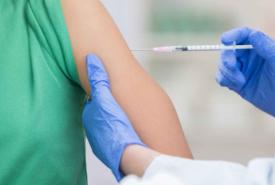
    Flu shots can save the lives of people with cardiovascular disease by reducing cardiac complications as well as preventing influenza.

    An international study led by McMaster University researchers and published in The Lancet Global Health has found that influenza vaccines greatly reduce both pneumonia and cardiovascular complications in people with heart failure.

  • Enzymes could be key to understanding how DNA mutates, quantum biologists find

    Enzymes, which are crucial to controlling how cells replicate in the human body, could be the very ingredient that encourages DNA to spontaneously mutate – causing potentially permanent genetic errors, according to new research from the University of Surrey.

  • Researchers Design Prodrug That Targets Cancer Cells

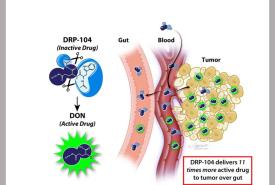
    Johns Hopkins Medicine researchers have revamped an anti-cancer drug to better target cancer cells and leave healthy tissues unharmed. Scientists have dubbed this type of targeted approach a “prodrug” — a medicine designed to release its payload in a particular area of the body and in no other areas. The Johns Hopkins-discovered prodrug, called DRP-104 (sirpiglenastat), is in early-stage clinical trials in people with advanced solid tumors.

  • Study unveils protein synthesis in red blood cells

    The process by which the mRNA codes for a particular protein is known as translation. It is the final step in which an mRNA carrying information from DNA synthesises proteins. It is a necessary process performed by almost all living cells, leaving erythrocytes (Reb Blood Cells or RBCs), which are believed to be the only exception. A research team led by Sandeep M Eswarappa, Associate Professor, Department of Biochemistry, Indian Institute of Science, Bengaluru, has identified that mature human RBCs can also make their proteins.

  • Potential new lead compounds for the treatment of depression and anxiety disorders

    Currently, various classes of drugs are available for the treatment of mental illnesses - such as depression and anxiety disorders. However, although these drugs confer benefits, they are also associated with adverse side-effects. Conseqeuntly, medical researchers continuously thrive to improve the pharmacological properties of therapeutic agents to optimize the benefit-to-side-effect ratio.

  • Carnitine intake is associated with better postnatal growth and larger brain size in very preterm infants

    A recent study by the University of Eastern Finland and Kuopio University Hospital shows that carnitine intake in the first postnatal weeks promotes better growth and larger brain size at term equivalent age in very preterm infants. Carnitine intake from breast milk in particular seems to be associated with better growth. The findings were published in Nutrients.

  • In vivo Iron-Based Coordination Assembly for Disease Diagnosis and Treatment

    Advances inin vivoiron-based coordination assembly have enabled the simultaneous detection and treatment of iron-overload disorders. Specific interactions between local FeIIIand organic ligands (e.g., indocyanine green and lecithin) facilitate magnetic resonance imaging with enhanced sensitivity and photoacoustic imaging with high contrast, thus overcoming the longstanding limitations of traditional iron quantification approaches.

  • One in three of people tested diabetes in India, Tata 1mg labs

    Tata 1mg, a digital healthcare platform, on Friday announced that one-third of the people who tested for HbA1c at Tata 1mg Labs, were found to have diabetes, with the highest incidence reported among the 40-60 years age group.

  • Amyloids binding proteins may beneficial in Alzheimer and Diabetes

    In Alzheimer's disease, the degeneration of brain cells is linked to formation of toxic protein aggregates and deposits known as amyloid plaques. Similar processes play an important role also in type 2 diabetes. A research team under the lead of the Technical University of Munich has now developed “mini-proteins”, so-called peptides, which are able to bind the proteins that form amyloids and prevent their aggregation into cytotoxic amyloids.

Subscribe to Research News