
Pharmapedia

  • How the India - EU Trade Deal Will Benefit the Pharmaceutical Sector

    The proposed India-European Union (EU) trade deal is expected to bring significant benefits to India’s pharmaceutical industry. The EU is one of the largest and most regulated medicine markets in the world, and easier access to this region can open new growth opportunities for Indian drug manufacturers. The agreement focuses not only on trade but also on regulatory cooperation, which is crucial for pharmaceuticals.
  • India’s Homegrown Antibiotic Moves Closer to Europe as Wockhardt Files EMA Application
    Wockhardt has taken a major step in global healthcare by filing a Marketing Authorisation Application with the European Medicines Agency, EMA for its new antibiotic WCK 5222
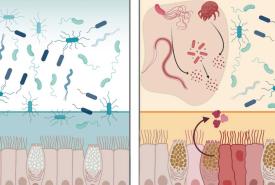
  • New Gut Protein Intelectin-2 Shows Promise as Natural Antimicrobial Defender
    Scientists have discovered an important protein in the human gut that can help protect the body from many harmful bacteria. This protein, called intelectin-2, acts as both a defensive barrier-builder and a bacteria-fighting molecule offering new insights into how the body defends itself at mucosal surfaces and pointing to possible future treatments against infections and antibiotic-resistant microbes.
  • New Research finds ADHD Stimulant medications work in unexpected way

    Researchers at Washington University School of Medicine in St. Louis suggest that common stimulant medications used to treat attention-deficit/hyperactivity disorder (ADHD), such as Ritalin and Adderall, may work in ways scientists didn’t previously understand. The findings challenge the long-held belief that these drugs primarily improve attention by acting directly on the brain’s attention circuits.

  • Regulatory Harmonization and India’s Global Pharma Credibility

    In global pharmaceuticals, credibility is no longer conferred by capacity alone. It is earned— slowly, visibly, and irreversibly—through regulatory trust. As drug supply chains fragment, re- regionalize, and digitize, the decisive question for India’s pharmaceutical future is no longer how much we manufacture, but how seamlessly our regulatory systems align with the world we serve.

  • Clues to Alzheimer’s disease may be hiding in our ‘junk’ DNA
    When most of us think of DNA, we have a vague idea it’s made up of genes that give us our physical features, our behavioural quirks, and keep our cells and organs running.
  • Silicon chips on the brain : Researchers announce a new generation of brain-computer interface
    A new brain implant stands to transform human-computer interaction and expand treatment possibilities for neurological conditions such as epilepsy, spinal cord injury, ALS, stroke, and blindness – helping to manage seizures and restore motor, speech, and visual function. This is done by providing a minimally invasive, high-throughput information link directly to and from the brain.
  • Scientists Discover “Two-Faced” Fat-Burning Enzyme That Controls Body’s Fat Storage From Inside the Nucleus
    In a breakthrough that reshapes our understanding of how the body manages fat, researchers have discovered that a well-known fat-burning enzyme, Hormone-Sensitive Lipase (HSL), has a second, unexpected job—acting inside the cell nucleus to regulate how fat cells grow, store energy, and function.
  • Brain Enzyme OTULIN Emerges as a Surprising Master Switch in Tau Production - A New Frontier for Alzheimer’s Therapy
    Scientists have uncovered a previously unknown function of the enzyme OTULIN in regulating the production of tau, the protein that aggregates in neurodegenerative diseases such as Alzheimers.
  • Cosmetics Stick
    In the ever-evolving world of cosmetics, stick formulations are rapidly gaining traction among beauty enthusiasts and professionals alike. These compact, travel-friendly products cater to the growing demand for convenient beauty routines, allowing for easy touch-ups and quick applications, especially during busy mornings.
Subscribe to Pharmapedia